The Ultimate Healthy Lunchbox Guide
Did you know that children get roughly one-third of their daily nutrition at school? Lunchbox is more than just a meal, it plays a huge role in their learning, mood, and overall development. This February, join Healthy Lunchbox Week by Nutrition Australia to make sure your child’s lunch packs a healthy punch!
Good nutrition supports growth, immunity, and, just as importantly, brain function and mental wellbeing. Evidence continues to show that the foods kids eat influence their concentration, memory, and mood, helping them thrive both academically and socially.
Why a Balanced Lunch Matters
A nutritious lunch fuels your child’s success in multiple ways:
- Brain Function
Nutrients like iron, B vitamins, zinc, and iodine support memory, focus, and cognitive health. Iron, for example, plays a key role in dopamine production, essential for learning and attention. - Behaviour
Balanced meals with protein, healthy fats, complex carbs, and fibre help stabilise energy levels, keeping sugar spikes at bay. - Academic Outcomes
Studies link high-quality diets with better concentration, improved test scores, and fewer school absences.
Starting with a nutritious breakfast and a well-planned lunch sets children up to reach their potential every day. Focus on minimally processed foods from the five food groups, and limit high-sugar, salty, or fatty snacks that can affect mood and behaviour.
Packing a Healthy, Enjoyable Lunch
Here are some practical tips and ideas from Nutrition Australia for a balanced, fun lunchbox:
- Mix and match food groups: Include at least one item from each food group. A helpful trick is to create small bins in your fridge or pantry and let kids choose one item from each.
- Be allergy aware: Check school guidelines, some restrict nuts, dairy, egg, or soy.
- Use leftovers creatively: Pack cooked chicken, meatballs in a wrap, pasta salad, or homemade pizza slices.
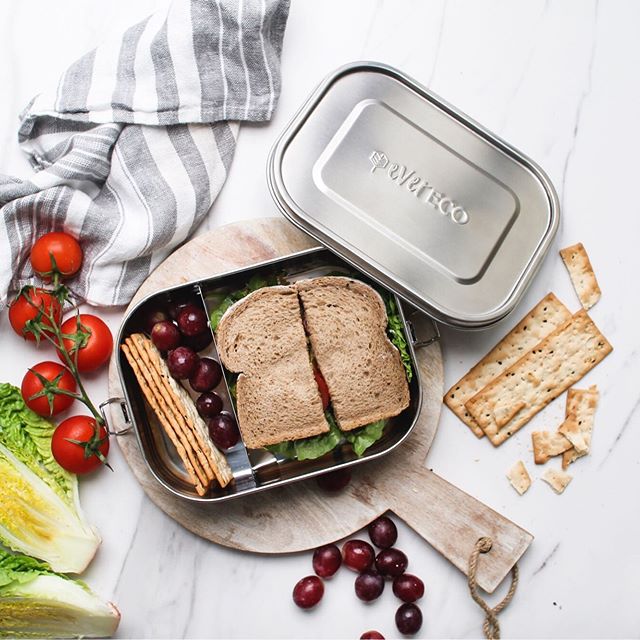
- Finger foods work best: Try sandwich squares, mini muffins, chopped veggies, cheese cubes, hummus, wholegrain crackers, or fresh fruit.
- Plan ahead: Keep fresh fruits, vegetables, yoghurt, and snack ingredients ready for quick prep.
- Eco-friendly options: Choose reusable containers over single-use plastics.
- Stay hydrated: Pack a water bottle; freezing a small amount overnight keeps it cool through the day.
Tackling the “Uneaten Lunchbox”
Sometimes, even the healthiest lunch can come home untouched. Here’s how to increase the chances it gets eaten:
- Involve your child: Let them pick what goes into the lunchbox, it’s fun and encourages them to eat it.
- Make it fun and colourful: Sandwiches in fun shapes, bright fruits, or a little note from home can make lunchtime more appealing.
- Keep portions manageable: Bite-sized items are easier to eat quickly between playtimes.
With a little planning, school lunches can be both nutritious and enjoyable. For more recipe ideas and inspiration, check out Nutrition Australia’s Healthy Lunchbox Week 2026!