The Cortisol Connection: Why Sleep Could Be Sabotaging Your Stress Levels
Cortisol tends to get a bad rap. You’ve probably heard it described as the “stress hormone”, and it gets blamed for stubborn belly fat, burnout, poor sleep, or that wired-but-tired feeling we sometimes get at bedtime. In reality, cortisol isn’t really the enemy, it’s an essential hormone in our bodies. The problem isn’t the cortisol itself but the timing of when it shows up. We need it showing up at the right time of day, not whenever it feels like it.
This daily pattern, or ebb and flow of cortisol is called the cortisol rhythm, and when it’s working well, it quietly supports energy, focus, immunity, and sleep. When it’s off or out of sync? Things can feel… a little chaotic.
Let’s break it down.
What Is Cortisol, really?
Cortisol is a hormone your body makes naturally to help you cope with daily demands. It’s released by the adrenal glands and guided by your brain’s stress-response system (called the HPA axis for those who love medical terms).
Cortisol’s job is to help the body respond to stress.
It helps your body:
- mobilises glucose for energy
- supports blood pressure and immune responses
- helps us wake up and feel alert, particularly in the morning
So yes, cortisol helps you get through deadlines, workouts, and mornings before coffee, so it’s very useful.
The Ideal Cortisol Rhythm (AKA: Timing Is Everything)
In a healthy rhythm, cortisol follows a predictable 24-hour pattern:
- High in the morning
Cortisol rises sharply within the first 30 to 45 minutes after waking, this is called the cortisol awakening response (CAR). It helps you feel switched on and functional. Morning sunlight and early movement help promote this increase. - Gradual decline through the day
Levels taper steadily from late morning into the afternoon. - Low in the evening and at night
Cortisol should be at its lowest as melatonin (the ‘sleep hormone’) rises, allowing sleep to happen.
Cortisol is at its best when it’s predictable. Surprise, unexpected appearances (like those crazy relatives who love to show up unannounced)? Less charming.

How Sleep Disrupts the Cortisol Rhythm
Short or poor-quality sleep is one of the strongest disruptors of cortisol rhythm.
Research consistently shows that not getting enough sleep can:
- Lower cortisol levels when you wake, flattening that morning rise
- Flatten the daily decline, meaning cortisol doesn’t fall as smoothly
- Keep cortisol higher later in the day or evening, when it really should be dropping off
With repeated short sleep (around five hours or less), the body may still produce a sharp rise in the morning, but from a lower starting point, so you don’t get as healthy a peak within that hour after waking. This causes a disrupted rhythm.
Changes like this to your cortisol rhythm have been linked to:
- low mood
- reduced mental clarity (aka brain fog!)
- increased inflammation
- heart disease risk
- more sleep disturbances, which just serves to reinforce this bad cortisol cycle
This happens because loss of sleep makes it harder for the brain to switch cortisol off. When this system weakens, cortisol hangs around longer and drifts out of sync with the body clock.
In short: bad sleep confuses cortisol, and confused cortisol makes sleep harder. Talk about vicious cycle!
Mornings matter!
Your cortisol rhythm is strongly influenced by the first few hours after waking. Two simple cues help set the tone for the entire day:
Morning light exposure
Bright natural light soon after waking tells the brain that it’s daytime. This helps trigger a healthy morning cortisol rise and supports a smoother drop later in the day.
Early movement or gentle exercise
Light activity such as walking or stretching reinforces the body clock and supports alertness. It also helps cortisol follow a normal daily pattern.
Together, morning light and movement act like a reset button to the stress system, helping cortisol anchor early and settle into a steady rhythm.
Can Lifestyle and Natural Remedies Help?
Some strategies may support a healthier cortisol rhythm. These should be seen as additional to core habits like sleep, light exposure, and stress management.
Natural agents with emerging evidence:
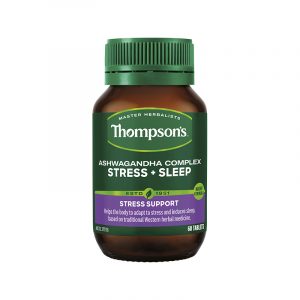
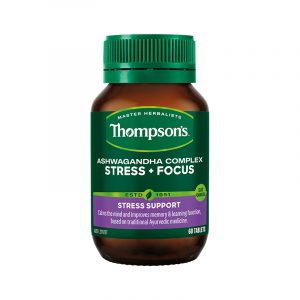
- Ashwagandha: standardised extracts have been associated with reduced perceived stress and lower serum cortisol in adults experiencing ongoing stress. A product that may be used for this is Thompson’s Ashwagandha Complex.
- Magnesium: may support relaxation and sleep onset, particularly in people with low dietary intake. Many people prefer forms like citrate, which are well tolerated and absorbed, such as Swisse Ultiboost Magnesium.
- L-theanine: often used to promote relaxation and smoother sleep quality without strong sedation. A blended option that includes L-theanine and calming herbs like holy basil is The Vitalogy Project Calm & Relax, which is one of our favourites for everyday stress support.
Evidence quality varies, and not every option is for every person, especially when medications or existing health conditions are involved. Always speak with your doctor or WholeLife Pharmacy & Healthfoods pharmacist before starting any new supplement or treatment.
The Takeaway
Cortisol works best when sleep, daylight, movement, and stress are in reasonable balance. If you’d like to chat about your wider health or explore simple ways to support your wellbeing, our friendly WholeLife Pharmacy & Healthfoods pharmacists, naturopaths, and nutritionists are happy to help.
References:
- Wilhelm, I. et al. Is the cortisol awakening rise a response to awakening? 2007; 32(4). Accessed: https://doi.org/10.1016/j.psyneuen.2007.01.008
- Clow, A. et al. The cortisol awakening response in context. International Review of Neurobiology. 2010; 93. Accessed: https://doi.org/10.1016/S0074-7742(10)93007-9.
- Chandrasekhar K, et al. A prospective, randomized double-blind, placebo-controlled study of safety and efficacy of a high-concentration full-spectrum extract of ashwagandha root in reducing stress and anxiety in adults. Indian J Psychol Med. 2012 Jul;34(3):255-62. Accessed: https://doi.org/10.4103/0253-7176.106022.
- Evans M, et al. A Randomized, Triple-Blind, Placebo-Controlled, Crossover Study to Investigate the Efficacy of a Single Dose of AlphaWave®L-Theanine on Stress in a Healthy Adult Population. Neurol Ther. 2021 Dec;10(2):1061-1078. Accessed: https://pubmed.ncbi.nlm.nih.gov/34562208/